Tap the room.
The room responds.
Your lights, locks, heat and cameras on one wall screen that looks like your actual house — installed for you, set up for you, and kept working long after we drive away. No apps to wrangle. No hubs to babysit.
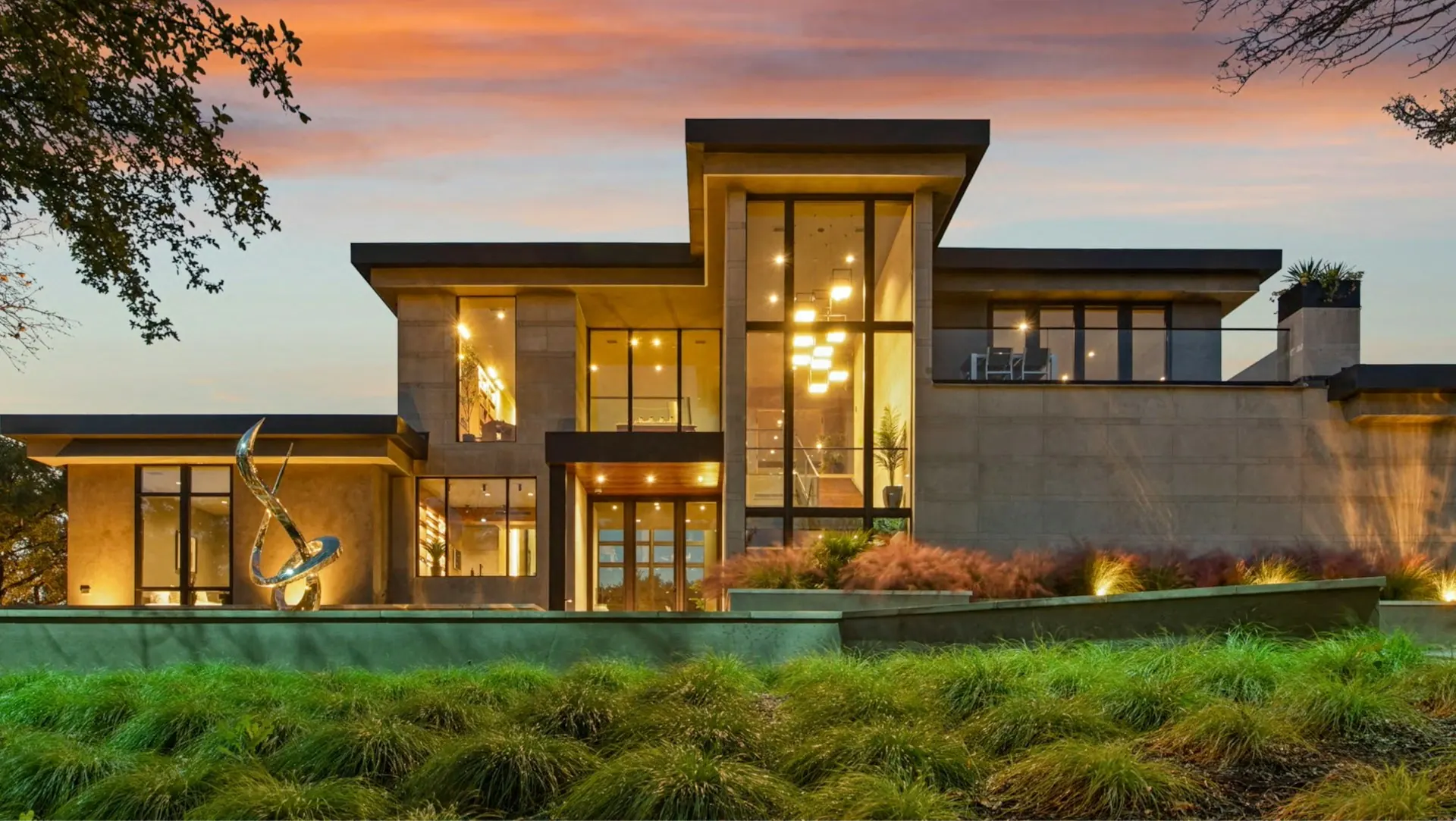
The house handles the evening.
Lights where you are, off where you aren't. Doors locked at dark. Heat easing back for the night — without anyone touching a thing.
21:47 · DOORS LOCKED · HEAT 68° · 0 OPEN ISSUESOne crew does the hardware, the software and the screen.
Hardware, network, devices
We fit the hub, the switches, sensors, locks, thermostats and cameras, and the network that carries them. Gear you already own stays if it can be brought in; what can't is replaced with something that can.
Set up to be forgotten
Automations, backups and updates, configured and written down. Everything runs on a small computer in your house, so the internet going down does not turn your lights off.
A touchscreen drawn from your floor plan
We turn your plans into a 3D model of your home and make that the interface. Tap a room to light it, a door to lock it, the thermostat to set it. No menus, no app to hunt through.
Your house is the interface.
Off-the-shelf smart-home dashboards are lists of switches with names you have to remember. We model your home from its plans, render it, and mount it on a tablet in the wall. The plan is the home screen — and everything behind it stays just as simple. Anyone in the house can use it on the first try, guests included.
It keeps working after we drive away.
Smart homes fail quietly — a battery dies, an update breaks something, a sensor drops off the network. Ours don't stay broken. Your home reports its health to us every minute, and problems reach our phones before most people would notice them at home.
Your home checks in every minute
The system tells us what's online, what stopped working, and what changed right before it did. If the house goes quiet, we know within minutes.
We find out first
A dead battery or a broken integration shows up on our phones as a job to do — not as a dark room you discover at eleven at night.
Updates are rehearsed
New software versions get proven across the homes we run before yours takes them. A version that causes trouble anywhere is held back from your house until it's fixed.
Fixed with your OK
Most fixes happen remotely — but only through a consent link that tells you who's asking, why, and for how long. You get a receipt of everything that was done.

Nobody here is troubleshooting.
Dinner happens. If a sensor drops or an update breaks something, that's our evening, not yours — most fixes land before anyone at home would have noticed.
TUE 6:12 PM · NOTHING TO REPORTNothing happens unless you agree.
When we need into your system remotely, you get a link. It says who is asking, why, what they can touch and for how long. You allow it or you don't. You can end it at any point, and you get a receipt of everything that was done.
Software we send to the box in your home is cryptographically signed, so no one — including a hacked server of ours — can slip code into your house. More on how Dispatch works.
Site visit
We walk the house with you, take the plans or the measurements, and list what you want to control. You get a written quote.
[VISIT FEE OR FREE]Install and configure
Hardware goes in, the system is set up, automations are written and tested with you in the room.
[TYPICAL DURATION]Your screen
We model and render your home, mount the tablet, and walk everyone in the house through it.
[INCLUDED / PRICE]Ongoing care
Your home reports to Dispatch, our monitoring console. We handle updates, catch faults, and fix them remotely with your consent or on site.
[PRICE] / MONTH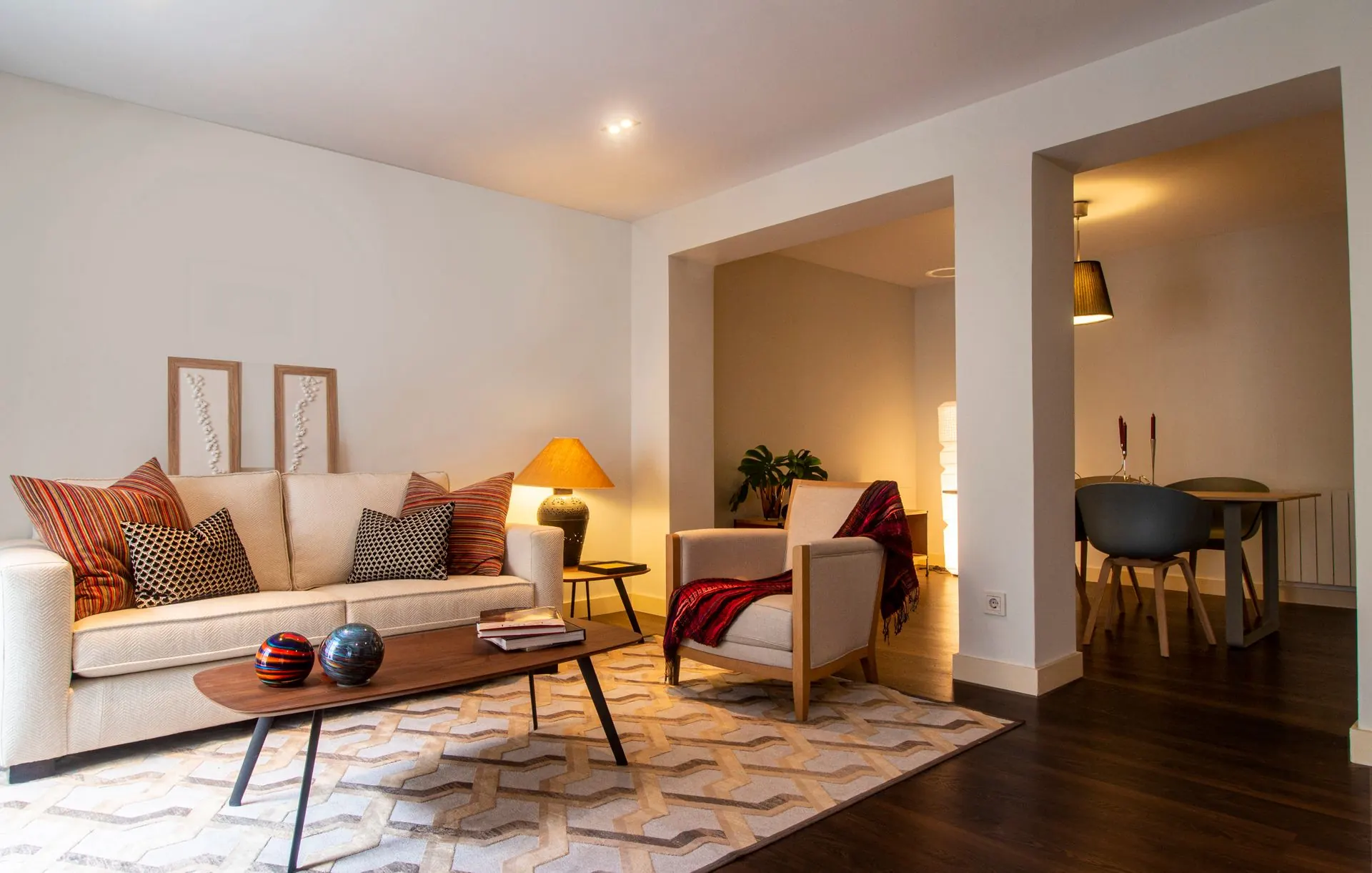
The last tap of the day.
Goodnight dims the house, locks the doors and sets the heat back. Morning has it all ready again before you're up.
SCENE GOODNIGHT · 14 LIGHTS OFF · 3 DOORS LOCKEDTell us about the house.
Where it is, what you want to control, and whether you have plans. We reply within [RESPONSE TIME] with a time to come and look.