Every home we run,
on one screen.
Dispatch is the monitoring console we built to operate our Home Assistant installations. A small client in each home reports its health every 60 seconds; Dispatch turns those reports into a ranked fleet, correlated incidents and update-risk verdicts — so a dozen homes can be run like one.
From twelve homes to the one that matters.
Raw alerts stop scaling at the second house. Dispatch ranks, groups and correlates so the queue stays honest: the site that needs a visit is at the top, and one bad update is one incident — not five separate faults to drive to.

The one page that matters reaches a person.
Noise is budgeted, faults are grouped, and the fleet is ranked — so when a phone buzzes at night it's real, it's one item, and it already says what changed.
22:52 · 1 CRITICAL · PAGED · ACKED IN 40SEvery fault arrives with its cause attached.
Open a site and the story is already assembled: health and uptime, the critical fault, the version change that landed an hour before it, and the same failure on four other sites. Remote access is requested right there — scoped, time-boxed, and waiting on the homeowner's consent.
Boring choices, on purpose.
Polling, not hope
Every site reports on a 60-second cycle, with an offline check every 5 minutes. Silence is itself a signal: a home that goes dark is noticed in minutes, not when someone complains.
Noise-budgeted alerts
Alerts spend from a budget. A flapping sensor gets folded into one item instead of paging all night, so when a phone buzzes it means something.
Self-hosted, end to end
Dispatch runs on our own server. No third-party cloud sits between us and the homes we're responsible for.
Sees the minimum
Dispatch sees health, versions and faults. It does not see cameras, media, or who is home.
Consent first
Remote access is requested per session with an explicit scope and duration. The homeowner approves it, can revoke it, and gets a receipt of everything done.
Signed all the way down
Updates to the in-home client are signed with a key the scheduling server never holds, so even a compromised server can't push code into a house.

Five broken homes used to be five drives.
Correlated incidents plus consent-gated remote access turn a bad update into one rollback from the desk. The truck rolls for the faults that actually need hands.
INCIDENT ZHA 0.0.48 · 5 SITES · REMOTE FIX · 0 MILESBuilt for our fleet. Released for yours.
We built Dispatch because nothing else treated a handful of Home Assistant homes like a fleet. It's the software we bet our own service on, and we're preparing to release it as open source — so any installer, integrator or determined homeowner can run their own.
The code will land at github.com/straplocked/ha-dispatch. Until then it runs privately: Dispatch is the tool our techs work in, not something customers ever need to touch — your side of it is the screen on the wall and the consent link.
Your rack. Your fleet. Your rules.
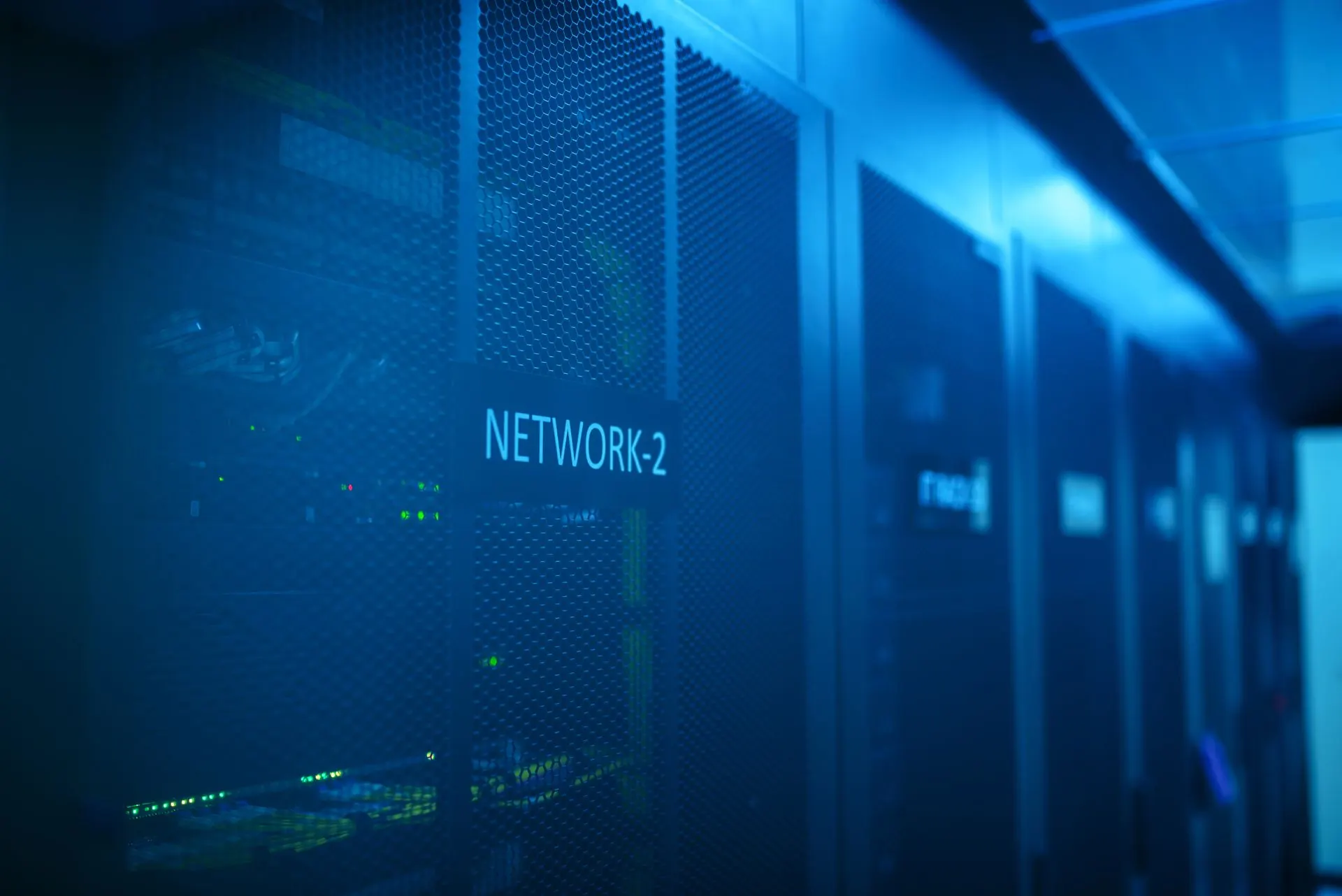
When Dispatch ships as open source it runs where you put it — no vendor cloud, no per-site fee. The same console we bet our own service on, on your own hardware.
SERVER: YOURS · SITES: UNLIMITED · CLOUD: NONE